

Valencia successfully hosted the 100xCiencia9
.jpg)
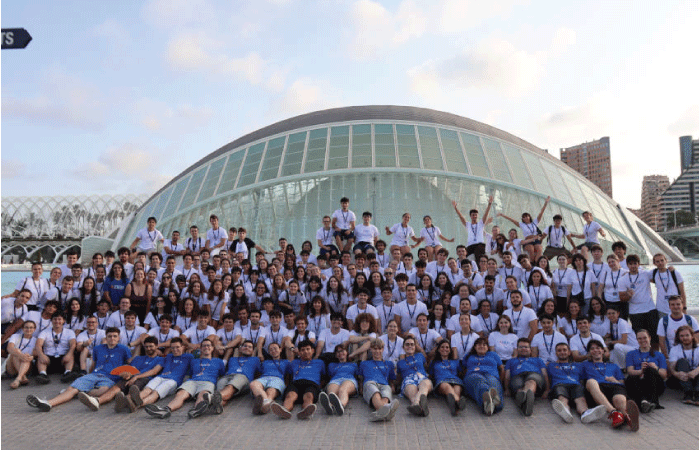
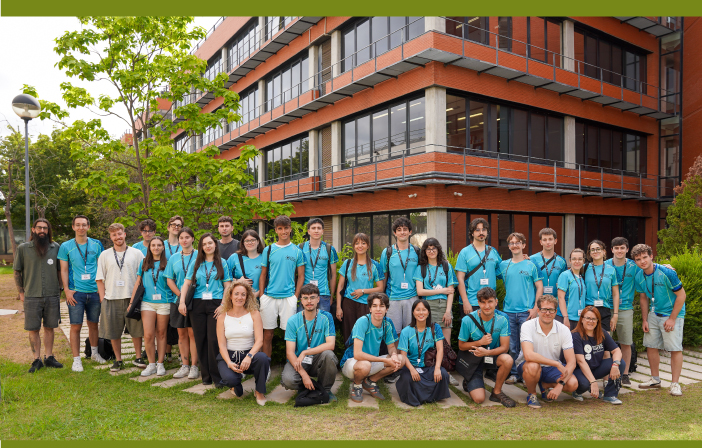
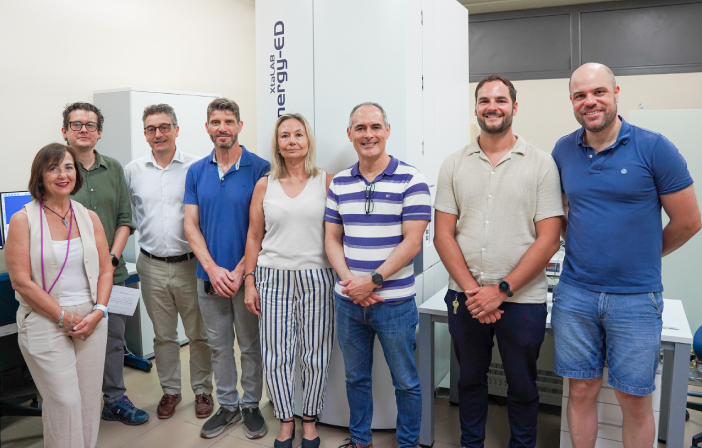
Last November, CaixaForum València became the venue for the ninth edition of 100xCiencia9, the annual conference promoted by the SOMMa Alliance, which brings together the Severo Ochoa and María de Maeztu Centres of Excellence to strengthen Spanish research excellence and its social impact. Under the theme “Science for Society. Awakening Conscience”, the event successfully brought together leading researchers, R&D managers, policy representatives and members of the general public, creating a dynamic space for reflection, dialogue, and the building of new bridges between science and society.
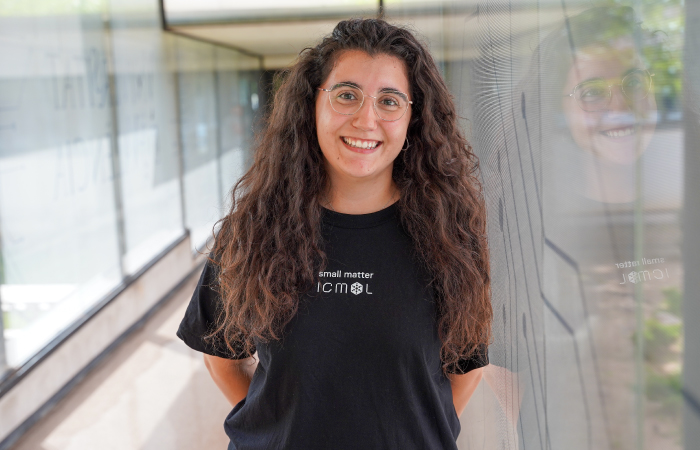
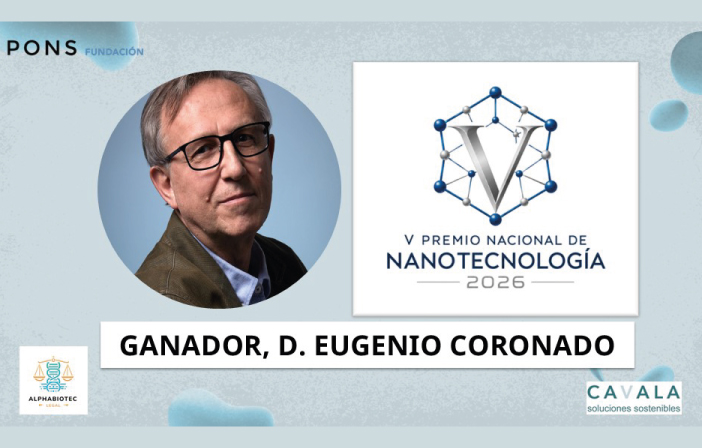
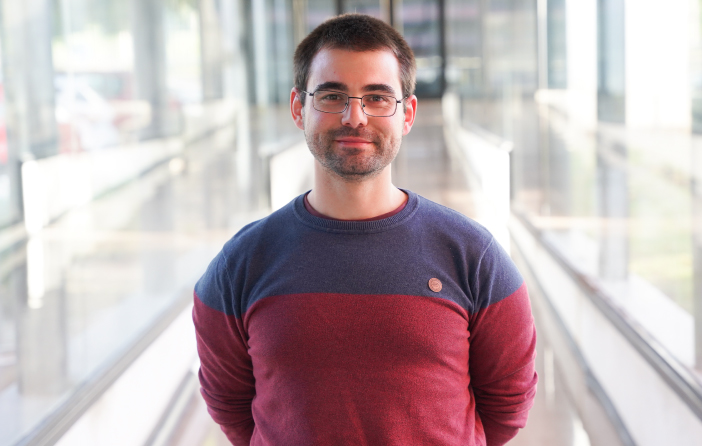
The meeting showcased the scientific excellence and societal impact of the work carried out at the SOMMa Centres of Excellence. In this edition, five leading scientific institutions from the Valencian Community served as hosts, offering their expertise and leadership in strategic areas to address major global challenges. @ICMol_UV was one of the co-organizers of the event, and its director Eugenio Coronado, together with researcher and group leader Julia Pérez, took part in the round table “Advanced materials and nanotechnology for industry and health”.
Representing the Universitat de València, the hosts included the Institute of Molecular Science (ICMol), accredited as a María de Maeztu Unit of Excellence, and the Institute of Corpuscular Physics (IFIC), a joint UV-CSIC centre recognised as a Severo Ochoa Centre of Excellence. Together with them, the Institute of Agrochemistry and Food Technology (IATA-CSIC), the Institute of Chemical Technology (ITQ, CSIC-UPV), and the Institute of Neurosciences (UMH-CSIC) also acted as host institutions.
100xCiencia9 consolidated itself as an event open to the wider public, featuring participatory activities and outreach initiatives for audiences of all ages. These activities fostered meaningful dialogue around key issues such as sustainability, health, energy and climate change, helping bring science closer to society and highlighting its role as a driver of transformation.
Hosting 100xCiencia9 strengthened València’s position as a leading scientific and technological hub in Spain. Its strong research tradition, network of centres of excellence, and firm commitment to public engagement made the city an ideal setting for a conference designed to showcase the role of science in societal development.
The host centres
The Institute of Agrochemistry and Food Technology (IATA-CSIC), accredited as a Severo Ochoa Centre of Excellence, is at the forefront of food science and technology research. It leads studies on diet–health interactions, the development of new food products, and innovations such as sustainable packaging materials and the use of microorganisms to transform the food industry.
The Institute of Molecular Science (ICMol), a María de Maeztu Unit of Excellence since 2015 and part of the Universitat de València, specialises in molecular chemistry and nanotechnology. Its research focuses on functional materials and advanced molecules for technological applications in sensors, electronics, and sustainable energy.
The Institute of Chemical Technology (ITQ, UPV-CSIC), recognised as a Severo Ochoa Centre of Excellence in 2013, 2017 and 2023, is a world leader in catalysis, green chemistry, and materials for sustainable energy. Its scientific contributions have played a key role in advancing cleaner and more efficient technologies.
The Institute of Corpuscular Physics (IFIC, UV-CSIC), accredited as a Severo Ochoa Centre of Excellence, conducts cutting-edge research in particle physics, nuclear physics, and astroparticles. The centre is deeply involved in major international collaborations, including those at CERN, contributing essential knowledge about the origin of the universe and the laws that govern it.
The Institute of Neurosciences (IN, UMH-CSIC), a Severo Ochoa Centre of Excellence since 2014, focuses on understanding the biological bases of the brain and nervous system, as well as developing therapies for neurodegenerative diseases and neurological disorders. Its research impact and translational approach position it as a leading reference in biomedicine.
.jpg)