

The Hubbard Workshop 2025 gathered international DFT+U experts in Gandía
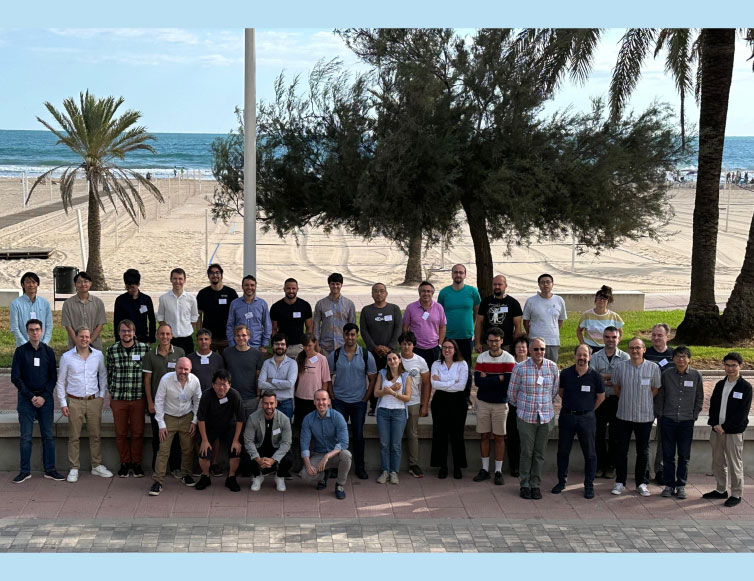
The Hubbard Workshop 2025 gathered international DFT+U experts in Gandía
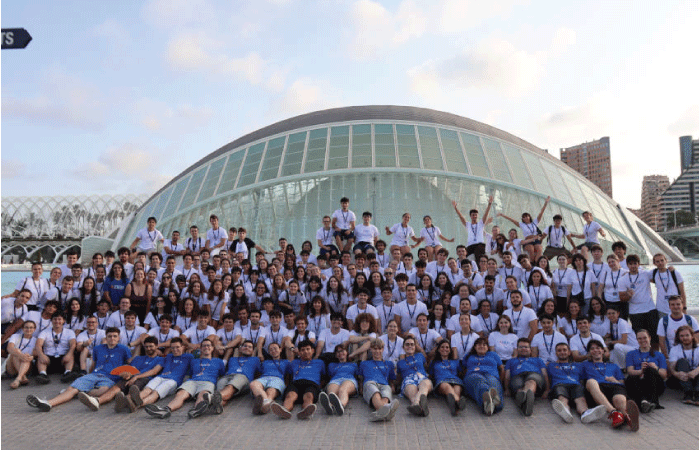
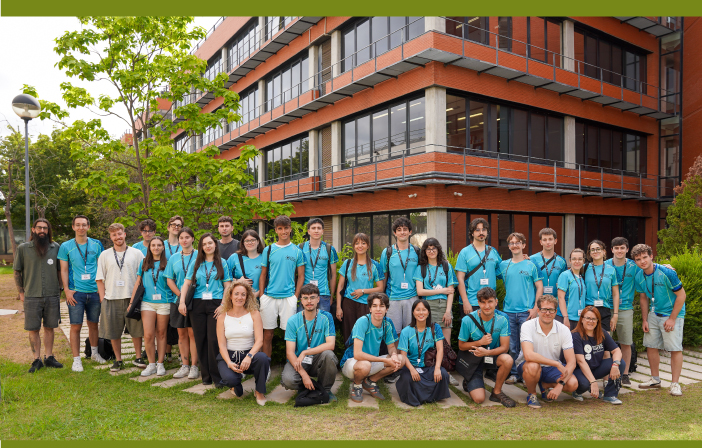
From September 22 to 26, ICMol hosted in Gandía the Hubbard Workshop 2025: The determination of Hubbard parameters: progress, pitfalls, and prospects, an international meeting that brought together for the first time leading specialists and young researchers to address one of the major open challenges in density-functional theory (DFT): the determination of Hubbard parameters.
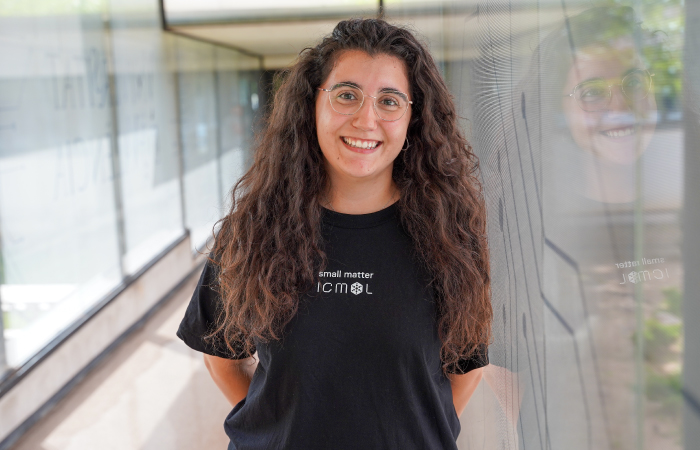
The conference was opened by ICMol’s distinguished researcher José J. Baldoví, who co-organized the workshop together with Iurii Timrov (Paul Scherrer Institut, Switzerland), David O’Regan (Trinity College Dublin, Ireland) and Young-Woo Son (Korea Institute for Advanced Study, South Korea). Over the course of five days, the workshop featured lectures, poster sessions, and roundtable discussions devoted to the most relevant methods for computing Hubbard parameters, including linear-response theory, the constrained random phase approximation (cRPA), Hartree–Fock–based approaches, and emerging machine-learning strategies.
DFT is a fundamental tool in physics, chemistry, and materials science, yet its most widely used approximations suffer from severe limitations when applied to compounds with partially filled d and f electrons. The DFT+U method has emerged as an effective way to correct these deficiencies, but the definition and calculation of the Hubbard U parameter have remained under debate.
“The goal of the workshop was to establish a common framework for understanding the physical and theoretical foundations of Hubbard parameters by comparing their different definitions and approaches. We aimed to lay the groundwork for more consistent and reproducible protocols across the community,” emphasized the organizers.
The Hubbard Workshop 2025, sponsored by Psi-k and NCCR MARVEL, left a lasting mark by fostering methodological convergence, promoting international collaborations, and strengthening the global network of researchers working with Hubbard parameters in the design and characterization of novel advanced materials.
.jpg)