

FUNIMAT-ICMol UV impulsa la incorporación de un avanzado sistema de difracción electrónica en el SCSIE de la Universitat de València
The Universitat de València has acquired an advanced electron diffraction system that will make it possible to determine the atomic structure of nanocrystals—materials so small that they cannot be analysed using conventional techniques—and to study the behaviour of materials under special conditions, such as very low temperatures or controlled gas atmospheres. This opens up new opportunities for research in fields including chemistry, physics and materials science.
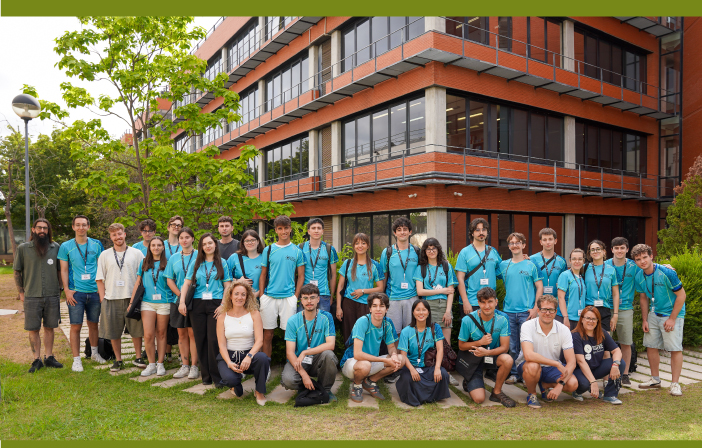
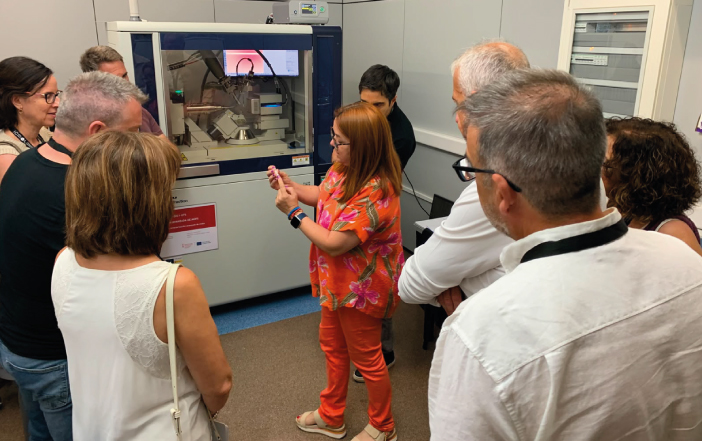
The new equipment, representing an investment of approximately €1.9 million funded by the European Regional Development Fund (ERDF)—which contributed more than €1.1 million—and the Universitat de València, has been installed in the Microscopy Section of the Central Service for Experimental Research Support (SCSIE), located in the Jeroni Muñoz Research Building on the Burjassot-Paterna Campus. It now forms part of a European network comprising fewer than ten facilities of this kind.
The system will make it possible to determine the three-dimensional arrangement of atoms in nanoscale crystals. It incorporates a highly sensitive hybrid pixel detector and automated tools for locating and measuring different crystals, reducing acquisition times and facilitating the analysis of materials that are particularly sensitive to the electron beam.
One of its most distinctive features is the ability to operate at cryogenic temperatures and expose samples to different gases and temperature conditions. This will enable researchers to study not only the structure of materials, but also the changes they undergo when interacting with guest molecules or responding to external stimuli.
These capabilities are particularly relevant to the research carried out by the Functional Inorganic Materials Team (FUNIMAT) and the Institute of Molecular Science of the Universitat de València (ICMol-UV) in molecular materials, metal–organic frameworks (MOFs), porous materials and two-dimensional systems. The information obtained will contribute to the development of new materials for applications related to energy, catalysis, the environment, and the capture, separation and storage of substances.
A scientific proposal led by FUNIMAT
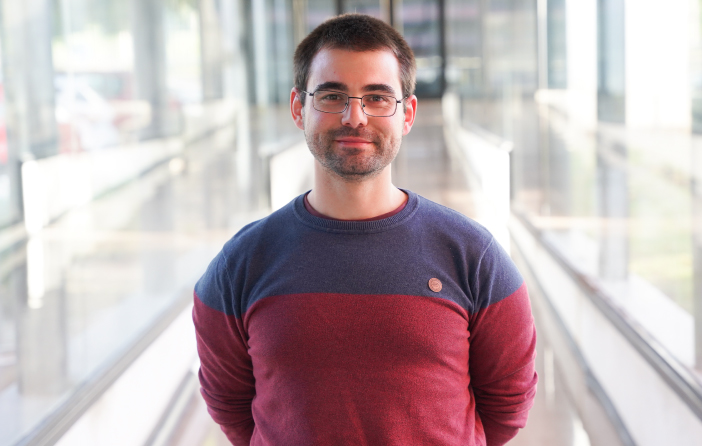
The FUNIMAT group at ICMol-UV, led by Carlos Martí-Gastaldo, headed the scientific proposal that made it possible for the Universitat de València to acquire this advanced system for the structural analysis of nanocrystals.
The initiative was conceived and coordinated by FUNIMAT to overcome a common limitation in the development of new materials: many compounds can only be obtained as crystals that are too small to be analysed using conventional X-ray diffraction.
Carlos Martí-Gastaldo acted as the scientific and technical lead of the proposal, which also involved ICMol researchers Efrén Navarro-Moratalla, Guillermo Mínguez-Espallargas, Mónica Giménez-Marqués, Natalia Muñoz-Padial and Emilio José Pardo-Marín. The six members of the scientific team belong to four of the institute’s research groups—FUNIMAT, MUPOMAT, CEL and CRISOL—and bring extensive expertise in molecular materials, metal–organic frameworks, two-dimensional systems and advanced structural characterisation. Together, their research has been supported by seven European Research Council (ERC) projects.
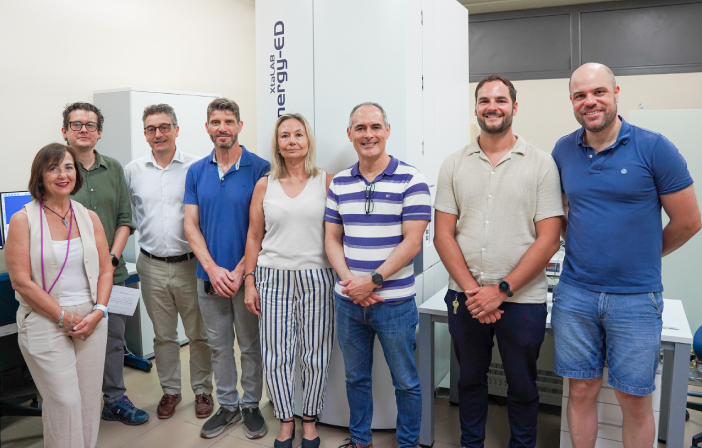
The official acceptance ceremony for the new equipment took place on Monday, 13 July, in the Microscopy Section of the Jeroni Muñoz Research Building on the Burjassot-Paterna Campus. The infrastructure has been integrated into the SCSIE and will operate as a shared Universitat de València facility, open to the university community, other research institutions and companies. Its management model will foster interdisciplinary collaboration and extend access to this advanced characterisation capability across the scientific community and the industrial sector.
The acquisition of one of the few systems of its kind installed in Europe represents a strategic step towards positioning the Universitat de València at the forefront of advanced structural characterisation. The new infrastructure will also help consolidate València as an international hub for the study of molecular, porous and two-dimensional materials, with the capacity to attract leading talent, projects and scientific collaborations.
.jpg)